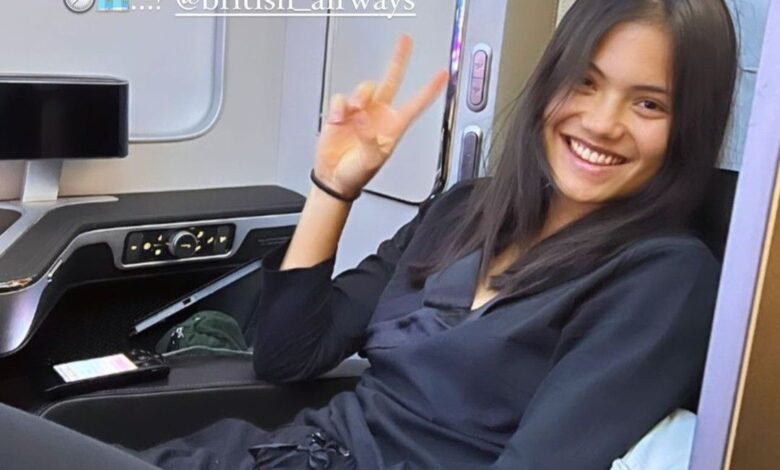
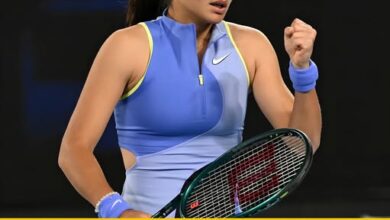
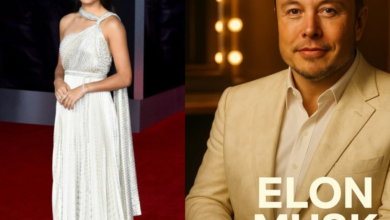
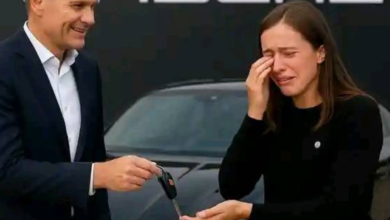
Emma Raducanu’s current list of partners reads like a directory of the world’s most prestigious brands. Dior. Tiffany & Co. Porsche. British Airways. Vodafone. Evian. For an athlete who has battled injuries, inconsistent form, and intense scrutiny since her meteoric US Open triumph, the scale and loyalty of her commercial backing continues to puzzle critics and fascinate marketers. This is the Raducanu paradox: how does a player with limited on-court continuity remain one of the most powerful commercial forces in modern tennis?
The answer lies in what Raducanu represents beyond match results. Her 2021 US Open victory wasn’t just historic — it was cinematic. A teenage qualifier, playing fearless tennis, winning ten matches without dropping a set, and doing it on one of sport’s biggest stages. That moment didn’t merely create a champion; it created a global story. Brands don’t just buy trophies — they buy narratives, and Raducanu’s story still resonates.
Equally important is her image. Raducanu occupies a rare space where elite sport, fashion, and mainstream culture intersect. She projects composure, intelligence, and modern elegance without trying too hard. In an era where authenticity drives engagement, her calm, polished presence offers brands something increasingly scarce: credibility without controversy. She doesn’t overshare, doesn’t chase attention, and doesn’t burn out her public image. That restraint makes her more valuable, not less.
There’s also the power of potential. Sponsors invest not only in who an athlete is today, but who they could become tomorrow. At just 22, Raducanu still embodies upside — sporting, cultural, and commercial. Injuries and form dips are viewed internally as chapters, not conclusions. Brands with long-term vision see her as a multi-cycle ambassador, someone who can grow with them rather than peak and fade quickly.
Her multicultural background and global appeal further amplify her value. British, yet globally relatable; elite, yet accessible. She connects with younger audiences, casual fans, and non-traditional tennis followers — demographics brands are desperate to reach but often struggle to engage through sport alone.
Critics may point to rankings and results. Sponsors look at reach, recognition, trust, and alignment. Raducanu delivers all four. Every appearance, interview, or understated social moment generates disproportionate attention — proof that public fascination hasn’t waned. In marketing terms, she still moves the needle.
That’s the paradox. Emma Raducanu doesn’t need weekly trophies to remain commercially elite. She operates in a different lane — one where story, symbolism, and cultural relevance matter as much as forehands and backhands. Until that changes, the sponsorship juggernaut will keep rolling.